
TSU Invited to Shared Hot-Dip Galvanizing Association AGM, Highlighting AI Smart Manufacturing Transformation Achievements
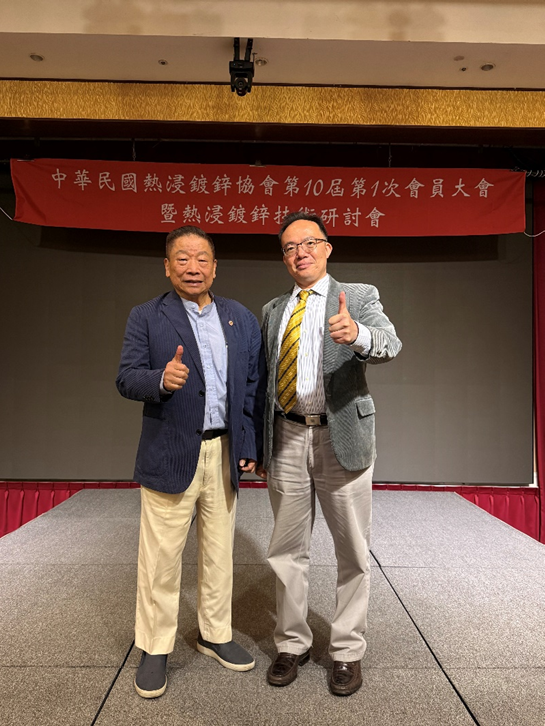
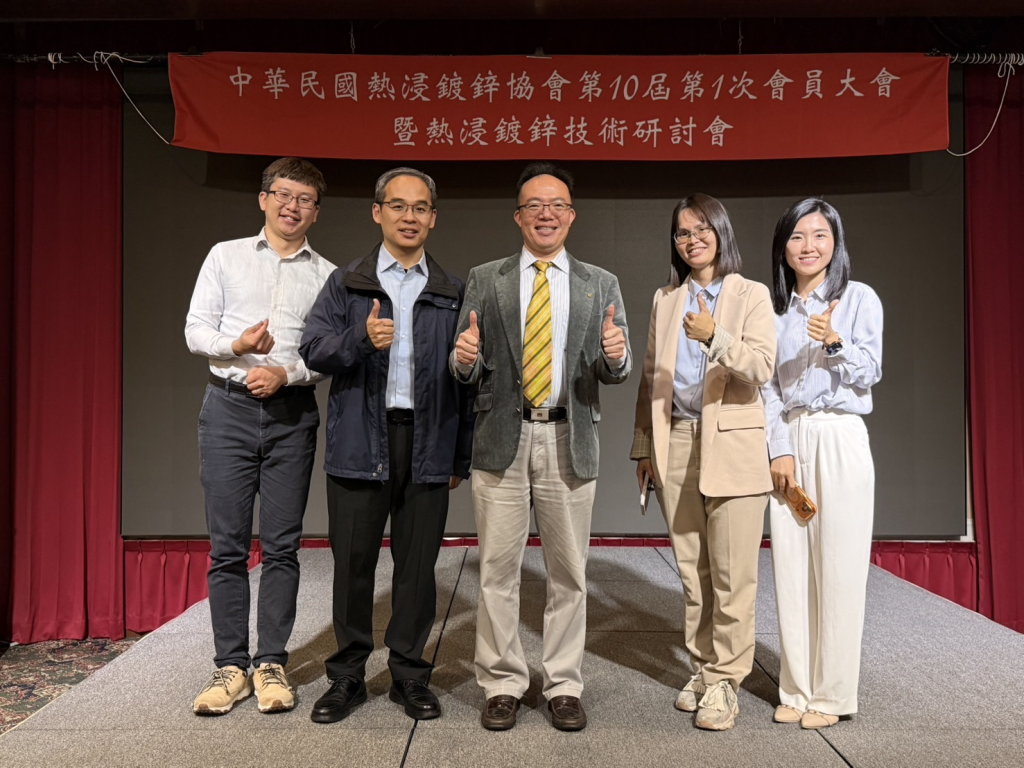
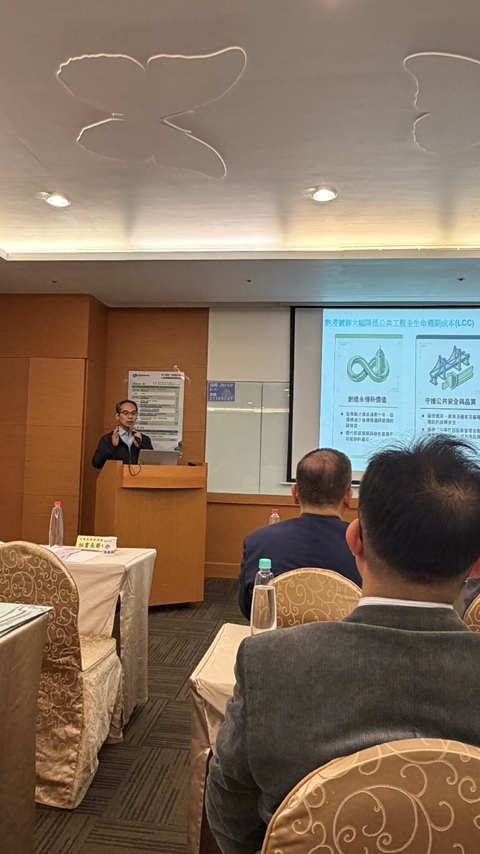
Taiwan Steel Union Co., Ltd. (TSU) was invited to attend the “Republic of China Hot-Dip Galvanizing Association Annual General Meeting” on April 10, 2026, to share its smart manufacturing journey. During the meeting, spokesperson Kun-Chieh Lin delivered a presentation titled “Smart Manufacturing Driving the Zinc Cycle: From Sustainability to Innovation.” Beyond showcasing the company’s achievements in enhancing resource recycling efficiency through its AIoT smart management system, Lin specifically expressed hope to collaborate with hot-dip galvanizing operators in the future to build a perfect, closed-loop zinc supply chain, looking forward to deepening cooperation to co-create a sustainable green industry chain. Affirming Partner Value: Commending the Hot-Dip Galvanizing Industry’s Outstanding Contribution to the Sustainable Cycle Advanced nations noticed the severity of “steel corrosion” very early on. It is estimated that losses caused by corrosion prevention account for about 3.5% of the Gross National Product (GNP) annually in Japan, 4.2% in the US, 3.5% in the UK, and 3% in Germany, while Taiwan far exceeds these countries. Calculating with Japan’s 3.5%, Taiwan unknowingly lost NT$586.565 billion in 2015 (with a GNP of approximately NT$16.759 trillion in 2015). Therefore, failure to galvanize steel, resulting in corrosion, is a significant waste of cost. Hot-dip galvanizing technology can significantly extend the lifespan of steel materials by decades, reducing carbon emissions from maintenance and replacement at the source, making it an indispensable cornerstone for modern low-carbon buildings and green infrastructure. Spokesperson Kun-Chieh Lin pointed out that hot-dip galvanizing operators not only safeguard the structural safety of bridges, factories, and national-level infrastructure, but the resource materials generated in their production processes—such as zinc ash and zinc-containing sludge—are also vital raw materials for TSU to achieve a “zinc cycle.” TSU’s role is to act as the strongest environmental backup for the hot-dip galvanizing industry. By providing professional resource recycling services, TSU helps operators meet ESG waste reduction indicators, allowing partners to focus on their core high-quality construction business development without worries. Zero Waste, Full Circulation: Joining Hands to Build Low-Carbon Competitiveness TSU emphasized its commitment to “full circulation, zero landfill.” Through precise resource recycling processes, 100% of various zinc-containing resource materials/waste are transformed into valuable crude zinc oxide products. Compared to traditional landfill or incineration, TSU’s recycling path significantly lowers the carbon footprint of its partners, helping operators precisely align with the carbon reduction requirements of global supply chains. Conclusion: Deepening Industrial Complementarity to Build Sustainable “Zinc” Opportunities TSU received high praise from multiple members of the Hot-Dip Galvanizing Association at the meeting. Many participating operators commended the process stability after TSU introduced AI smart monitoring, noting that its transparent and scientific data management substantially enhanced recycling trust. They expressed willingness to consider handing over their process waste to TSU for resource recycling in the future. Industrial Complementarity for a Win-Win Outcome The hot-dip galvanizing industry possesses exquisite anti-corrosion technology, serving as the “front-end gatekeeper” to safeguard the longevity of national infrastructure. Meanwhile, TSU features leading rotary kiln high-temperature physical and chemical conversion technology, serving as the “back-end national team” for processing zinc-containing resource materials. TSU promises to continue deepening the application of AI smart manufacturing, providing the most compliant and professional services to join hands with hot-dip galvanizing industry partners in jointly resolving the growing pains of carbon reduction transformation. We aim not only to protect Taiwan’s steel infrastructure but also to co-create a globally leading new model for a green circular economy, realizing a shared vision of prosperity from sustainability to innovation.