
Inorganic Materials Transformed into “Five Elements” Resources: Ministry of Environment Enables Continuous Cycle of Surplus Construction Materials
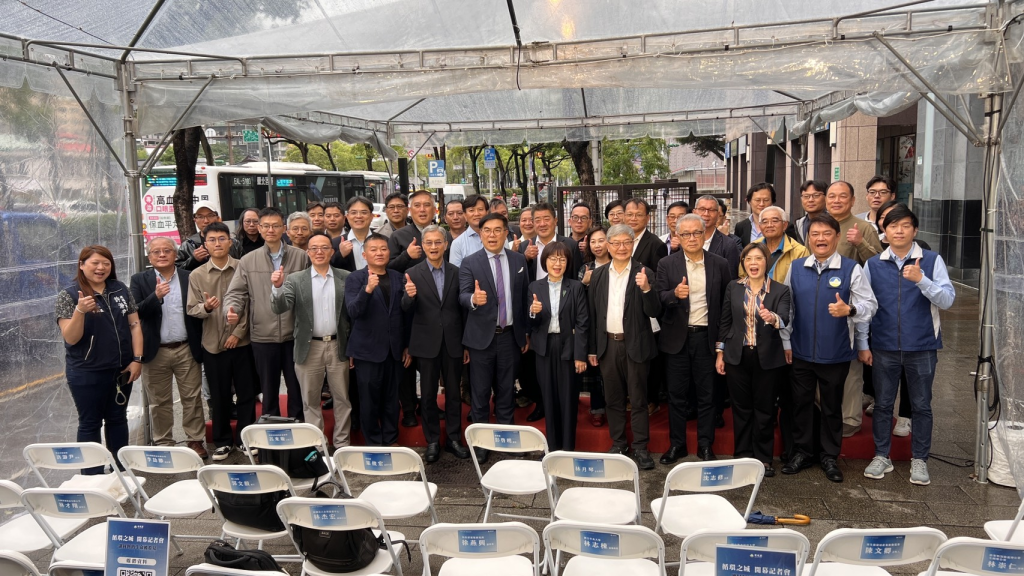
Surplus construction excavation and materials include steel, bricks, and tiles. According to the latest statistics from the Ministry of the Interior, there are over 5.5 million houses in Taiwan that are more than 30 years old. If the disposal of surplus materials from dismantling is handled improperly, it can easily lead to illegal dumping and environmental pollution. Today (7th), the Ministry of Environment introduced the concept of “Construction Circulation” by hosting the Inorganic Circular Redesign Exhibition. The ministry also incorporated the five Chinese elements—gold, wood, water, fire, and earth—to create an installation art piece named the “Circular City,” hoping that every single ton of building materials or industrial waste can be reshaped in another building and enter a continuous, endless cycle.
The Resource Circulation Administration of the Ministry of Environment collaborated with the Inorganic Resource Circulation Industry Alliance to launch the “Circular City” installation art at the entrance of the Ministry of Environment. Designer Chieh-Teng Li explained that the piece was constructed using waste steel (gold), wood (wood), ceramic tiles (water), red bricks (fire), and slag (earth). By citing the imagery of the Chinese “Five Elements,” it metaphorically represents that resources are never destroyed, transitioning from consumption to circulation, and prompts a rethink on how to construct and dismantle so that materials can continue moving toward the next city and the next generation.
The Resource Circulation Administration stated that a circular economy must have economic viability to circulate. Whether through building demolition or industrial manufacturing, cities generate waste materials. In the past, people rejected these materials, but now laws and regulations will be promoted to enable the regeneration of ceramic tiles, slag, and surplus soil, starting by requiring public engineering projects to use a certain percentage of recycled materials.
Environment Minister Peng Chi-ming also stated that the Ministry of Environment will amend laws to encourage proper house dismantling, which can create greater production value and prevent issues with surplus construction excavation and materials. The draft amendments for both the “Resource Circulation Promotion Act” and the “Waste Disposal Act” have been submitted to the Executive Yuan and will soon be sent to the Legislative Yuan, with hopes of passing them before the end of this year. The ministry plans to provide incentives to operators through green buildings, while also tightening penalties for illegal waste dumping, using both carrots and sticks to steer the industry onto the right track.
Legislator Yueh-Chin Lin stated that in the past, the approach to resources followed a linear model from extraction, manufacturing, and use, to disposal. Taiwan must change this linear model. In the future, the two circular economy laws will cover source reduction, green design, and green consumption, all the way to waste circulation, maximizing circulation and minimizing waste. She emphasized that this generation should not exhaust all resources, but should instead leave a clean, healthy, and sustainable future for the younger generation.
The Resource Circulation Administration is also hosting the “Inorganic Circular Redesign Exhibition” at the Circular Redesign Center, showcasing recycling case studies from various companies, including glass, ceramics, concrete, and slag, which have been transformed into more high-quality building material products.